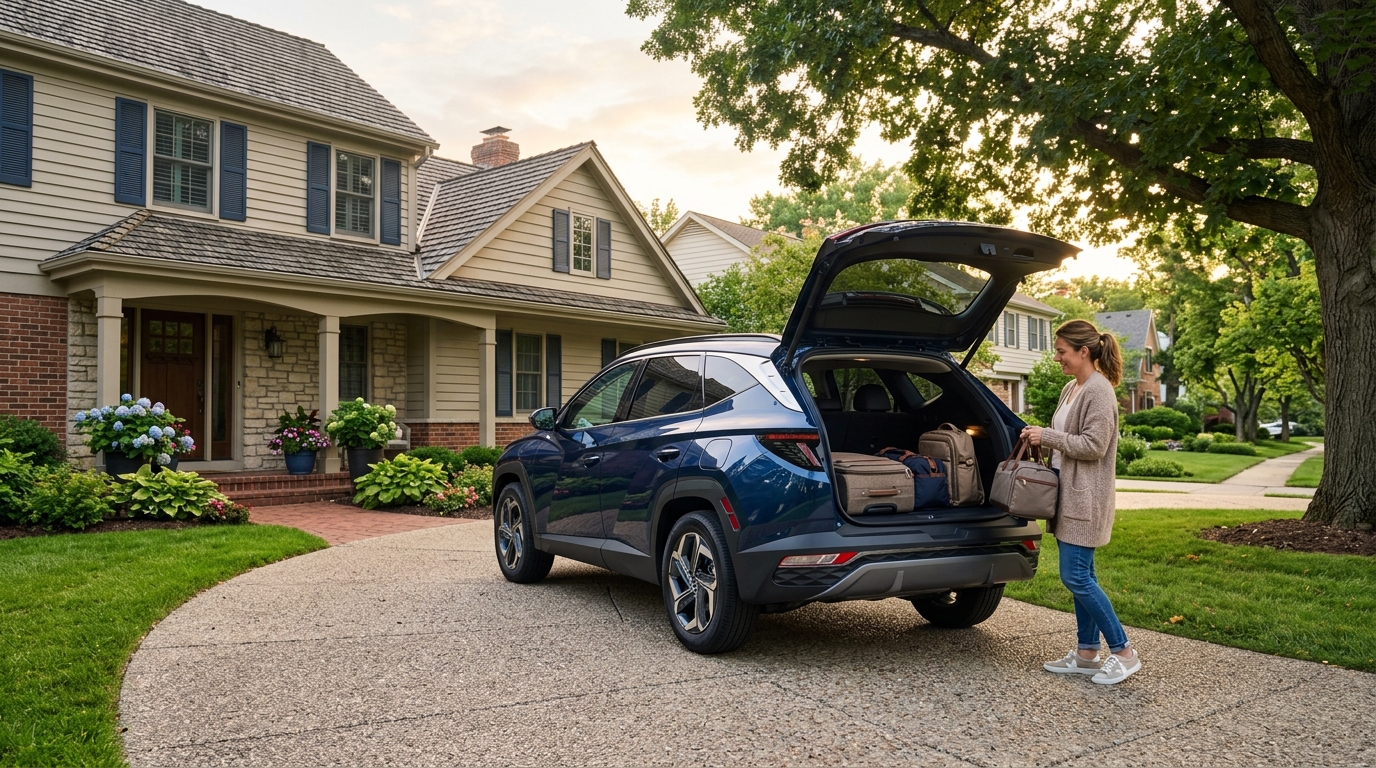
Preparing your car for a holiday road trip requires verifying tire inflation, inspecting tread depth, testing battery health, checking vital fluid levels, testing exterior lights, and replacing worn wiper blades before setting out. Conducting these preventive maintenance checks a week before departure prevents unexpected mechanical failures, minimizes fuel consumption during highway driving, and ensures your vehicle handles seasonal weather changes smoothly.
When getting ready for extended highway driving, checking tire condition stands out as the single most critical task. Temperature changes directly impact tire inflation, cause pressure to drop, and increases rolling resistance on the pavement. Checking pressure while tires are cold ensures an accurate reading that matches the manufacturer specification printed on the driver’s door-jamb placard. Driving on underinflated tires generates excess internal friction, accelerates tread wear, and increases fuel consumption during long highway stretches.
Engine fluids also require thorough inspection before embarking on a long trip. Checking engine oil, engine coolant, brake fluid, power steering fluid, and windshield washer fluid ensures that essential vehicle systems remain protected under heavy loads and ambient late-summer heat. Engine oil cleans, cools, and lubricates moving internal components, while fresh coolant prevents thermal breakdown when sitting in heavy traffic. Inspecting brake pedal feel is equally vital; a soft or spongy pedal indicates air in the lines or fluid degradation that demands immediate certified attention.
Visibility and electrical health round out the core pre-trip preparation steps. Autumn weather brings unpredictable rain and sudden temperature drops, making clear windshield visibility mandatory for highway safety. Replacing wiper blades that chatter or leave streaks ensures a clean sweep during unexpected downpours. Batteries also experience hidden stress during hot summer months, making a pre-trip battery and terminal check vital to prevent sudden starting failures. To keep your vehicle operating at peak efficiency, our team at Berman Hyundai provides complete vehicle inspections through our Hyundai Car Care program. Drivers can stop by our Lincolnwood service department or give our team a quick call to prepare for upcoming holiday travel.
Table of Contents
- Why Is a Pre-Trip Maintenance Check Important Before Labor Day Weekend?
- Is Pre-Trip Preventive Maintenance Cost-Effective Compared to Emergency Roadside Repairs?
- What Is the Best Overall Pre-Trip Checklist for Fall Travel?
- What Is the Best Time to Leave Lincolnwood to Avoid Holiday Traffic?
- What Essential Items Should Be Included in an Emergency Road Trip Kit for Fall Travel?
- Common Questions About Pre-Trip Maintenance and Holiday Travel Prep
Why Is a Pre-Trip Maintenance Check Important Before Labor Day Weekend?
Pre-trip maintenance checks before Labor Day weekend are vital because high late-summer ambient temperatures combined with long highway trips accelerate wear on engine cooling systems, belts, and tires. Identifying minor fluid leaks or degraded brake friction material before hitting the interstate prevents catastrophic mechanical breakdowns far from home.
Labor Day weekend represents a distinct transition period in automotive care, bridging the heat of late summer with early autumn weather patterns. Vehicles that spent months managing short neighborhood errands face sudden stress when driven continuously at highway speeds for hours. High-speed travel increases friction inside engine bearings, wheel hubs, and transmission assemblies. Minor issues that go unnoticed during daily errands, such as a tiny pinhole leak in a coolant hose or slight battery post oxidation, quickly escalate into severe overheating or total electrical failure when subjected to continuous highway loads.
City driving conditions also create unique wear patterns that surface during long highway trips. Drivers maneuvering through the dense urban traffic along Devon Avenue in West Ridge place heavier wear on brake pads and stop-and-go cooling systems than long-distance highway cruisers, making early inspection essential. Constant braking in tight traffic thins friction pads, while low-speed idling keeps engine bay temperatures elevated. Inspecting these wearable parts before embarking on a long trip guarantees that your vehicle transitions smoothly from local streets to high-speed interstate cruising.
A comprehensive pre-trip vehicle evaluation protects both passenger safety and long-term vehicle value. Addressing wear items early prevents cascading mechanical failures where a failed minor component damages a major powertrain assembly. For complete confidence during every mile of your journey, our factory-trained technicians deliver thorough maintenance backed by our Berman Hyundai Perfect Car Promise, ensuring every system functions to original factory specifications.
Is Pre-Trip Preventive Maintenance Cost-Effective Compared to Emergency Roadside Repairs?
Pre-trip preventive vehicle maintenance is significantly more cost-effective than emergency roadside repairs, often saving drivers hundreds of dollars in holiday towing surcharges, emergency labor rates, and unexpected hotel expenses. Servicing wearable components before a trip eliminates high-stress breakdowns and protects long-term powertrain durability.
The financial logic of preventive maintenance becomes obvious when comparing scheduled shop rates against emergency holiday breakdown expenses. Routine maintenance services, such as an oil change, tire rotation, or brake fluid flush, are performed at controlled, transparent costs. In contrast, an emergency roadside breakdown during a busy holiday weekend exposes drivers to premium towing rates, off-hours service surcharges, and long repair delays due to holiday shop closures. Towing a vehicle off a major interstate on a holiday weekend often costs triple the amount of a standard pre-trip oil and filter service.
A breakdown away from home introduces secondary financial burdens that far exceed the cost of routine auto care. Overheating due to an unchecked cooling hose can ruin engine head gaskets or warp engine blocks, resulting in thousands of dollars in mechanical repairs. Furthermore, roadside stranding often requires emergency hotel stays, rental car fees, and missed time from work. Investing a modest amount in pre-trip checks protects your budget and ensures uninterrupted travel plans.
Modern vehicles rely on delicate electronic sensors that require clean operational conditions to safeguard your family. Advanced safety technologies like Forward Collision-Avoidance Assist and Blind-Spot Collision-Avoidance Assist depend on accurate sensor signals, proper alignment, and clear windshield surfaces. Ensuring that fluid reservoirs are filled, mechanical linkages are clean, and sensor covers are free from road grime allows these safety systems to function as intended, providing continuous protection without unexpected electronic faults.
What Is the Best Overall Pre-Trip Checklist for Fall Travel?
The best overall pre-trip checklist for fall travel covers tire tread and cold pressure, battery charge and terminal corrosion, essential engine fluids, brake pad thickness, wiper blade condition, and exterior lighting function. Executing this step-by-step verification ensures your vehicle is fully prepped for both extended highway speeds and changing autumn weather.
Following a structured inspection routine guarantees that no critical vehicle system gets overlooked before setting out on the road:
- Tire Pressure and Tread Depth: Inspect tire inflation when tires are cold using a digital pressure gauge. Inflate tires to the specific pressure listed on the driver's door-jamb placard. Verify that tread depth measures at least 3 mm across all tires, including the spare tire, to ensure adequate traction on wet autumn roads.
- Engine Fluids and Filters: Pull the engine oil dipstick to check oil level and clarity. Inspect the coolant expansion tank, brake fluid reservoir, power steering fluid level, and windshield washer fluid tank. Top off fluids with manufacturer-approved formulas.
- Brake System Inspection: Look through wheel spokes to inspect brake pad thickness. Pads measuring under 3 mm require immediate replacement. Test brake pedal feel while parked; the pedal should feel firm and hold steady pressure without sinking to the floorboards.
- Battery and Electrical System: Check battery posts and cable clamps for white or greenish corrosion buildup. Ensure terminal clamps are securely tightened. Have a technician test cold-cranking capacity if the battery is more than three years old.
- Wiper Blades and Lighting: Activate windshield washers to inspect wiper blade performance. Replace any blades that leave streaks, gaps, or produce chatter. Walk around the vehicle while a partner tests headlights, high beams, brake lights, turn signals, and reverse lights.
Carrying out these checks a week before your planned travel date provides ample time to address any maintenance needs without rushing. When drivers come in before Labor Day, they usually ask us to check their tire tread and brake pads before checking anything else under the hood, ensuring that fundamental stopping and handling systems are fully sound.
What Is the Best Time to Leave Lincolnwood to Avoid Holiday Traffic?
The best time to depart for Labor Day travel is before 7:00 AM on Friday morning or after 7:00 PM on Friday evening to avoid peak holiday travel congestion. Traffic volume on major interstate corridors spikes heavily between 3:00 PM and 7:00 PM as afternoon commuters combine with holiday travelers.
Leaving Lincolnwood early Friday morning before 7:00 AM or after 7:00 PM allows drivers to bypass severe congestion on major northbound and westbound interstate routes leading out of the Chicago area. Peak holiday congestion typically builds by mid-afternoon on Friday as commercial traffic merges with holiday travelers heading toward weekend getaway destinations. Driving during off-peak windows reduces travel times and dramatically cuts fuel consumption by keeping your vehicle operating at steady cruising speeds rather than idling in extended traffic gridlock.
Timing your departure wisely also reduces thermal and mechanical strain on your vehicle's engine and transmission. Sitting in stop-and-go highway traffic on a hot afternoon forces cooling fans to run continuously, raising under-hood temperatures and putting maximum stress on transmission fluids. Maintaining a steady highway pace allows ambient airflow to cool the radiator naturally, lowering thermal wear on powertrain components and preserving fluid integrity.
Planning rest stops approximately every two hours during long trips keeps drivers alert and focused behind the wheel. Pulling off at designated rest areas to stretch, hydrate, and re-check cargo securing points ensures sustained comfort for all passengers. Route planning apps with live traffic updates help identify secondary routes if an unexpected incident slows the primary highway.
What Essential Items Should Be Included in an Emergency Road Trip Kit for Fall Travel?
An essential fall emergency road trip kit must include portable jumper cables or a lithium jump starter pack, a digital tire inflator, a tire pressure gauge, an LED flashlight, a first aid kit, extra bottled water, non-perishable snacks, thermal blankets, and a portable phone power bank. Packing these emergency supplies ensures passenger comfort and self-sufficiency if traffic delays or unexpected tire punctures occur.
Being prepared for unexpected roadside situations requires equipping your trunk with functional emergency gear:
- Jump Starter Cables or Power Pack: Heavy-duty jumper cables or a self-contained lithium jump starter pack allow you to restart a weak battery without waiting for another vehicle.
- Tire Care Supplies: A compact digital tire inflator, a reliable tire pressure gauge, and a temporary tire sealant kit help manage minor punctures until you reach a certified service center.
- Lighting and Visibility Tools: An LED flashlight with extra batteries, LED emergency flares, and a reflective safety vest make your vehicle visible to passing drivers during nighttime stops.
- First Aid and Warmth: A stocked first aid kit, work gloves, thermal fleece blankets, and rain ponchos keep passengers warm and dry during roadside waiting periods.
- Hydration and Power: Extra bottled water, non-perishable protein snacks, and pre-charged portable USB power banks keep communication devices active if cell service is limited.
In addition to carrying emergency supplies, knowing that manufacturer-backed support is available provides complete peace of mind on long trips. Every new Hyundai comes with 5 years of unlimited-mileage 24/7 Roadside Assistance, covering emergency towing, battery jump-starts, flat tire changes, and fuel delivery. For roadside support, drivers can contact Hyundai Roadside Assistance at (800) 633-5151.
Common Questions About Pre-Trip Maintenance and Holiday Travel Prep
Q: How far in advance of a holiday road trip should I schedule vehicle maintenance?
Scheduling vehicle maintenance seven to ten days before your planned departure is ideal. Booking service a week early provides sufficient time for certified technicians to perform a comprehensive multi-point inspection, order any specialized OEM replacement parts if needed, and complete necessary services without rushing. It also allows you to drive the vehicle for a few days locally to confirm that all systems are operating perfectly before taking a long highway trip.
Q: How do I check if my vehicle's tire pressure is correct before driving?
Check tire pressure when the vehicle has been parked for at least three hours so the tires are cold. Locate the recommended cold tire inflation pressure listed on the driver's side door-jamb decal. Unscrew the valve stem cap, press a digital pressure gauge firmly onto the valve, and compare the reading to the placard number. Adjust inflation as needed using an air pump, and never inflate tires to the maximum pressure stamped on the tire sidewall itself.
Q: What should I do if my engine temperature gauge rises while idling in holiday traffic?
If your engine temperature gauge begins climbing toward the red zone while idling in traffic, immediately turn off your air conditioning system and switch your cabin heater to maximum temperature and high fan speed. This draws thermal energy away from the engine block into the cabin. If traffic permits, safely pull onto the shoulder, turn off the ignition, and let the engine cool completely before opening the hood or checking coolant levels.
Q: How can I tell if my vehicle's battery needs to be replaced before fall weather arrives?
Signs that your battery requires replacement include a slow or sluggish engine crank upon starting, flickering interior dashboard lights, bulging battery case walls, or visible corrosion buildup around the battery terminals. A battery that is more than three years old should be tested with a professional conductance tester to measure its remaining cold-cranking capacity before heading out on extended fall road trips.
Q: What is included in Hyundai Roadside Assistance during a holiday breakdown?
Hyundai Roadside Assistance provides comprehensive coverage including emergency towing to the nearest authorized Hyundai dealership, battery jump-starting, flat tire changing assistance, lockout service, and emergency fuel delivery. Coverage is active 24 hours a day, 365 days a year across the United States. Our team can assist with coordinating service needs; learn more about coverage options through our Hyundai Complimentary Maintenance details, stop by our Lincolnwood service department, or reach out directly by calling (847) 582-3294 to schedule your pre-trip inspection today.